New White House Push: AI Data Centers Must Share Energy Costs With Neighbors
The administration is calling for large-scale AI infrastructure to provide financial or energy benefits to local areas to reduce public resistance.
By Mykola Bondarenko ·
Residents living near rapidly expanding artificial intelligence data centers may soon see changes to their energy bills and local utility arrangements. The White House has issued a directive urging major tech companies and data center developers to provide tangible benefits to the communities hosting their infrastructure. This move is designed to address growing public frustration over rising electricity rates and environmental impacts, potentially lowering costs for households in the vicinity of these massive facilities.
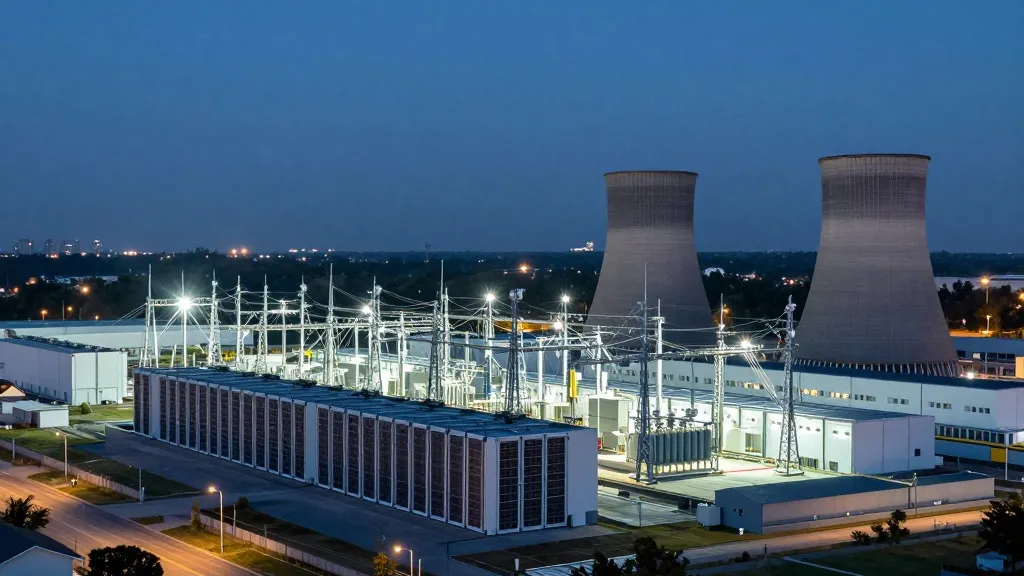
President Donald Trump outlined the plan in a recent social media post, stating that data centers should be mandated to generate their own power. Crucially, the directive suggests that any excess energy produced by these facilities should be given or sold back to the local community. The goal is to ensure that the presence of these energy-hungry structures does not burden local ratepayers, but instead contributes to the stability and affordability of the regional power grid.
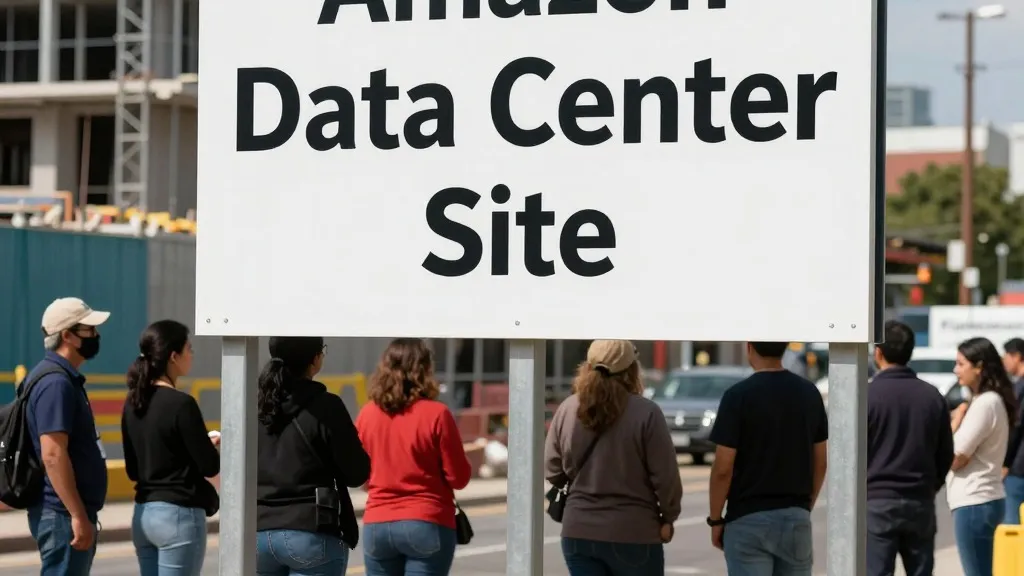
Local opposition to AI infrastructure has intensified nationwide, driven by concerns over noise pollution, water usage, air quality, and deforestation. Small communities, in particular, have borne the brunt of these side effects while also facing higher electricity costs. By demanding a form of energy dividend, the administration aims to make these facilities more palatable to local residents. This approach aligns with broader efforts to maintain the United States' competitive edge in the AI race against China while addressing domestic concerns.
The proposal builds on previous orders requiring data center operators to secure their own power sources. A recently passed act already mandates that these companies cover the costs of necessary grid upgrades, preventing those expenses from being passed on to local taxpayers. The new energy-sharing requirement appears to be an extension of this logic, where the self-generated power, often from on-site sources, would be leveraged to offset costs for nearby homes and businesses.
However, significant questions remain regarding the practical implementation of this plan. Critics note that the term 'dividend' is unusual for energy infrastructure, as companies typically only distribute such payments when profitable. New data center projects often face long periods of high construction and operational costs before reaching profitability. Furthermore, the short-term power generation solutions currently being deployed, such as gas-powered generators, are often noisy and polluting, which may not fully alleviate the environmental concerns that drive local opposition.
While the President emphasized that financial deals can turn unpopular projects into popular ones, the economic benefits may not address all local grievances. Issues like massive water consumption and ecological damage remain significant hurdles that money alone may not solve. Until specific regulations are finalized, it is unclear how these energy arrangements will be structured or if they will be sufficient to win over skeptical communities.
The administration is pushing for speed, with the President urging developers to 'make deals' and get projects built. Whether this mandate will result in lasting reductions in local energy costs or simply serve as a political gesture remains to be seen. For now, the focus is on shifting the financial burden of AI expansion away from local residents and toward the companies driving the technology.
Source: Tom's Hardware